
Keywords
Ecosystem service
Technology
Resource use efficiency
How to Cite
Abstract
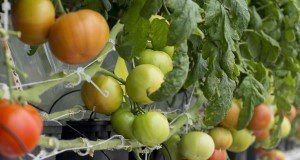
Indoor vertical farming has been gaining increased popularity worldwide as a method of addressing food security while satisfying sustainability needs. This fact sheet written by and published by the UF/IFAS provides a comprehensive summary of the current status of indoor vertical farming in the United States and globally, commercial derivatives, major sustainability benefits and limitations and challenges. Learn about the limitations and challenges of the industry as well as the potential benefits both for food security and resource sustainability.
https://edis.ifas.ufl.edu/fr429
Accessibility Summary:
In accordance with Title II regulations this content meets all points of exemption as Archived web content and/or Preexisting conventional electronic documents.
Articles in the EDIS journal are licensed under a Creative Commons Attribution-NonCommercial-NoDerivs 4.0 International (CC BY-NC-ND 4.0) license, and are available to share and distribute for any noncommercial purpose with attribution. This license does not apply to the use of individual images in the article.